Fine Art vs Property: A 10-Year Performance Study
Introduction
Over the last decade, two tangible assets have stood out for investors seeking security beyond the stock market: fine art and property.
While real estate has long been a traditional store of value, fine art has quietly — and consistently — delivered stronger average returns with lower volatility.
In this study, we compare the performance of both markets between 2014 – 2024, revealing why fine art has become a preferred asset among sophisticated investors worldwide.
1. Historical Performance: Art Outpaces Real Estate
According to Art Market Research (AMR) and major auction data, the global art market achieved an average annual return of 8.6%, compared to 6.2% for UK property.
This consistent growth has been fuelled by rising demand for blue-chip artists such as Banksy, Damien Hirst, and Pablo Picasso, alongside expanding participation from new global collectors.
Unlike property, which is bound by location and macro-economic cycles, fine art’s value is driven by scarcity, cultural relevance, and collector sentiment.
2. Diversification and Market Independence
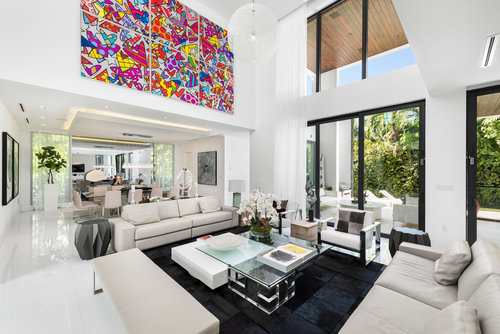
Fine art demonstrates a low correlation to equities and real estate, making it a powerful diversification tool within balanced portfolios.
During volatile economic periods, art prices have often remained stable — or even appreciated — as investors seek tangible, non-correlated assets.
Fine art provides both emotional satisfaction and portfolio resilience — a rare combination in modern investment markets.
3. Liquidity and Accessibility
While property sales can take months, the art market has evolved dramatically.
Private sales, online auctions, and fractional ownership platforms have increased liquidity and accessibility, allowing collectors to trade artworks more efficiently than ever before.
Hampton Fine Art’s global network ensures access to both primary and secondary markets — offering clients curated opportunities that align with their financial goals.
4. Risk and Reward: Managing Volatility
All investments carry risk, but the fine art market’s volatility tends to be more contained.
Key factors such as provenance, authentication, and artist reputation play critical roles in price stability — areas where professional advisory makes a difference.

Our team combines market analytics with first-hand auction experience to mitigate risk and guide clients through each acquisition with clarity and confidence.
5. The Emotional & Cultural Dividend
Unlike property, fine art delivers a return that transcends finance.
Each piece carries emotional and cultural weight — a legacy that can be displayed, enjoyed, and passed through generations.
This intangible “cultural dividend” enhances the overall value proposition and reinforces art’s appeal to discerning investors.
Conclusion
The data is clear: over the past ten years, fine art has outperformed property in both growth and resilience.
For investors seeking stability, diversification, and long-term appreciation, fine art stands as one of the most compelling assets in today’s market.
Ready to Explore the Art Market?
Discover how fine art can strengthen and diversify your investment portfolio.
Request your complimentary Hampton Fine Art Investment Guide below.